
The Ultimate Guide to Plumbing Emergencies in Bartow, FL
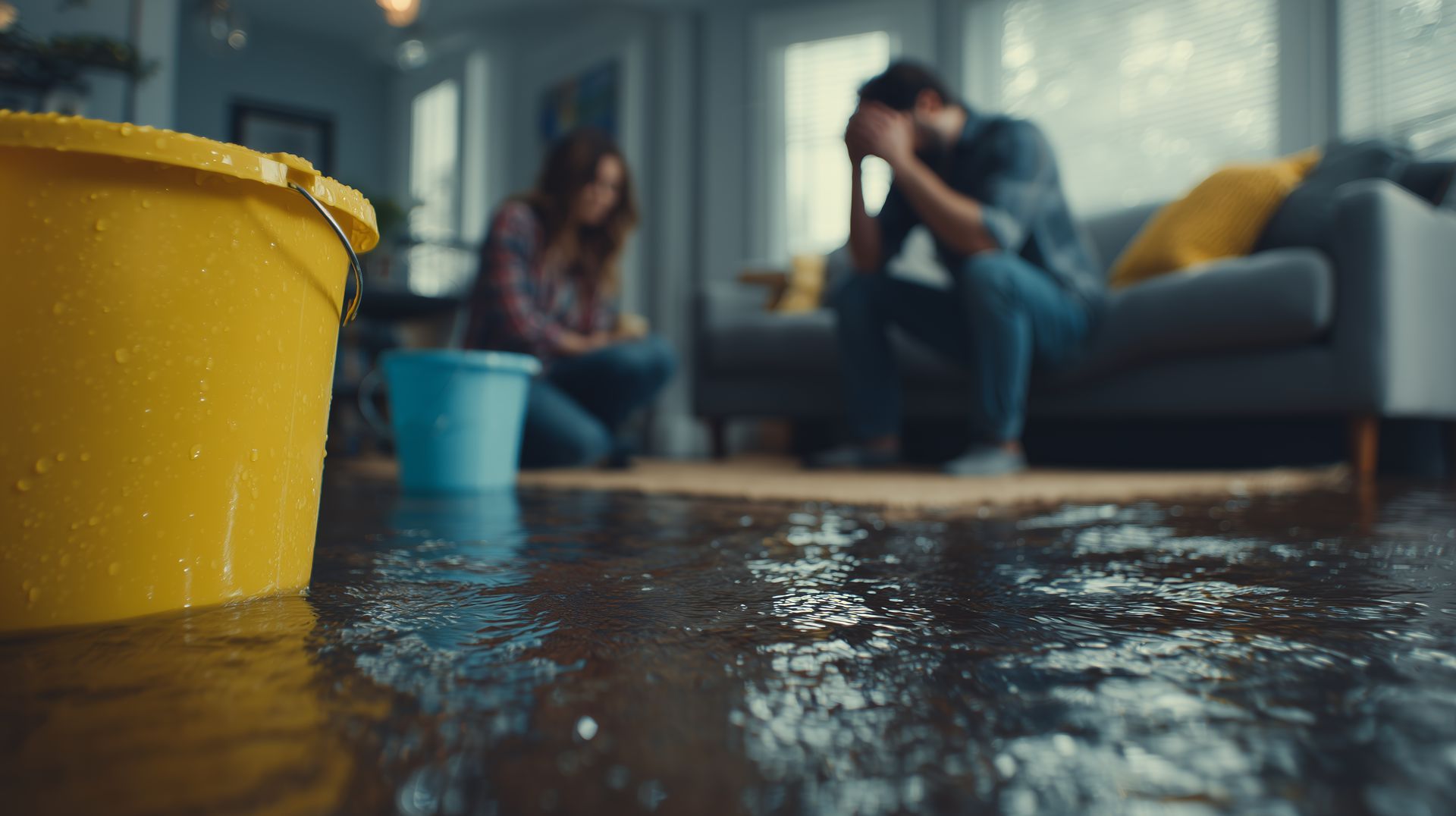
A plumbing emergency can happen without warning, especially when a pipe suddenly bursts and floods your home. Whether it’s caused by aging plumbing, sudden pressure changes, or storm-related issues, burst pipes demand immediate attention. Acting quickly during an emergency can significantly reduce water damage, protect your belongings, and prevent costly structural repairs. In this guide, we’ll walk you through exactly what to do when disaster strikes and how to protect your property from long-term damage.
Immediate Action Checklist During a Plumbing Crisis
When facing a plumbing emergency, every second counts. Quick, informed action can dramatically reduce structural damage, mold growth, and expensive restoration costs. Whether it’s a burst pipe, overflowing fixture, or major leak, knowing what to do during a plumbing emergency gives you control in a stressful situation.
Follow this detailed action checklist to protect your home:
- Shut Off the Main Water Supply: Locate your main shut-off valve, typically near the water meter, outside along the foundation, or in a utility room, and turn it off immediately. This stops the flow of water and prevents further flooding. If the issue is isolated to a sink or toilet, you may be able to turn off the smaller fixture valve instead.
- Turn Off Electricity (If Needed): If water is pooling near outlets, appliances, or your breaker panel, shut off electricity to the affected areas to reduce the risk of electrical shock. Never stand in water while handling electrical switches.
- Drain the System: After shutting off the main valve, open all faucets (hot and cold) throughout your home to drain excess water from the pipes. Flush toilets to empty the tanks. This helps relieve internal pressure and minimizes continued leaking.
- Remove Valuables and Protect Belongings: Quickly move furniture, electronics, important documents, rugs, and décor away from the affected area. If possible, use towels, mops, or a wet/dry vacuum to remove standing water and reduce moisture damage.
- Document the Damage: Take photos and videos of visible leaks, damaged walls, flooring, and personal property. This documentation can be helpful if you need to file an insurance claim.
- Call a Professional Plumber Immediately:
Even if the water flow has stopped, the underlying issue still needs expert repair. A licensed plumber can identify hidden damage, repair or replace broken pipes, and ensure your system is safe to use again.
How to Locate and Temporarily Stop Different Types of Leaks
During a plumbing emergency, quickly identifying the source of the leak can prevent extensive water damage. Different types of leaks require different temporary solutions, and knowing what to look for can make a major difference while you wait for professional repairs. Taking the right steps during a plumbing emergency helps slow water flow and protect your home from further harm.
Here are the most common types of leaks and how to manage them temporarily:
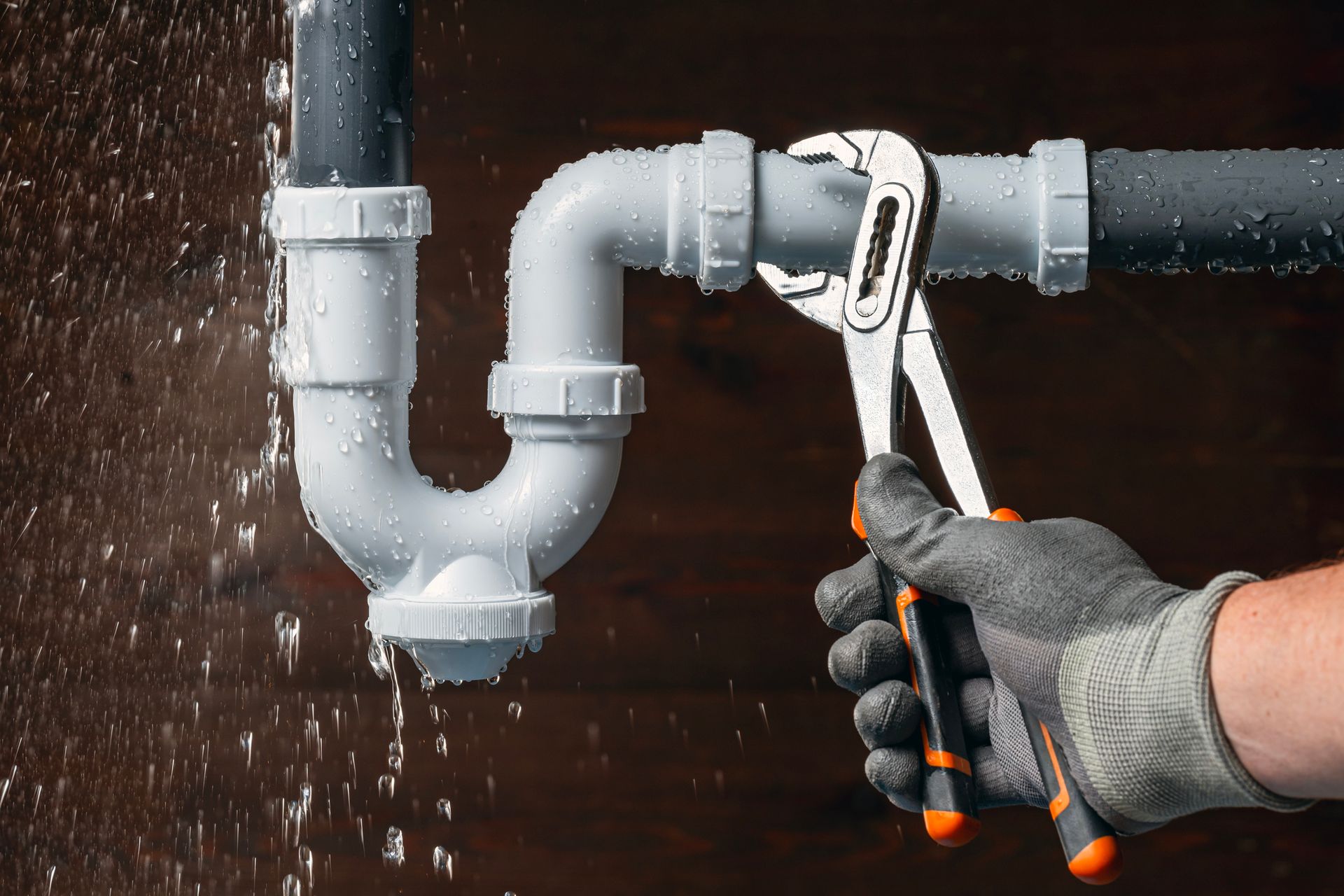
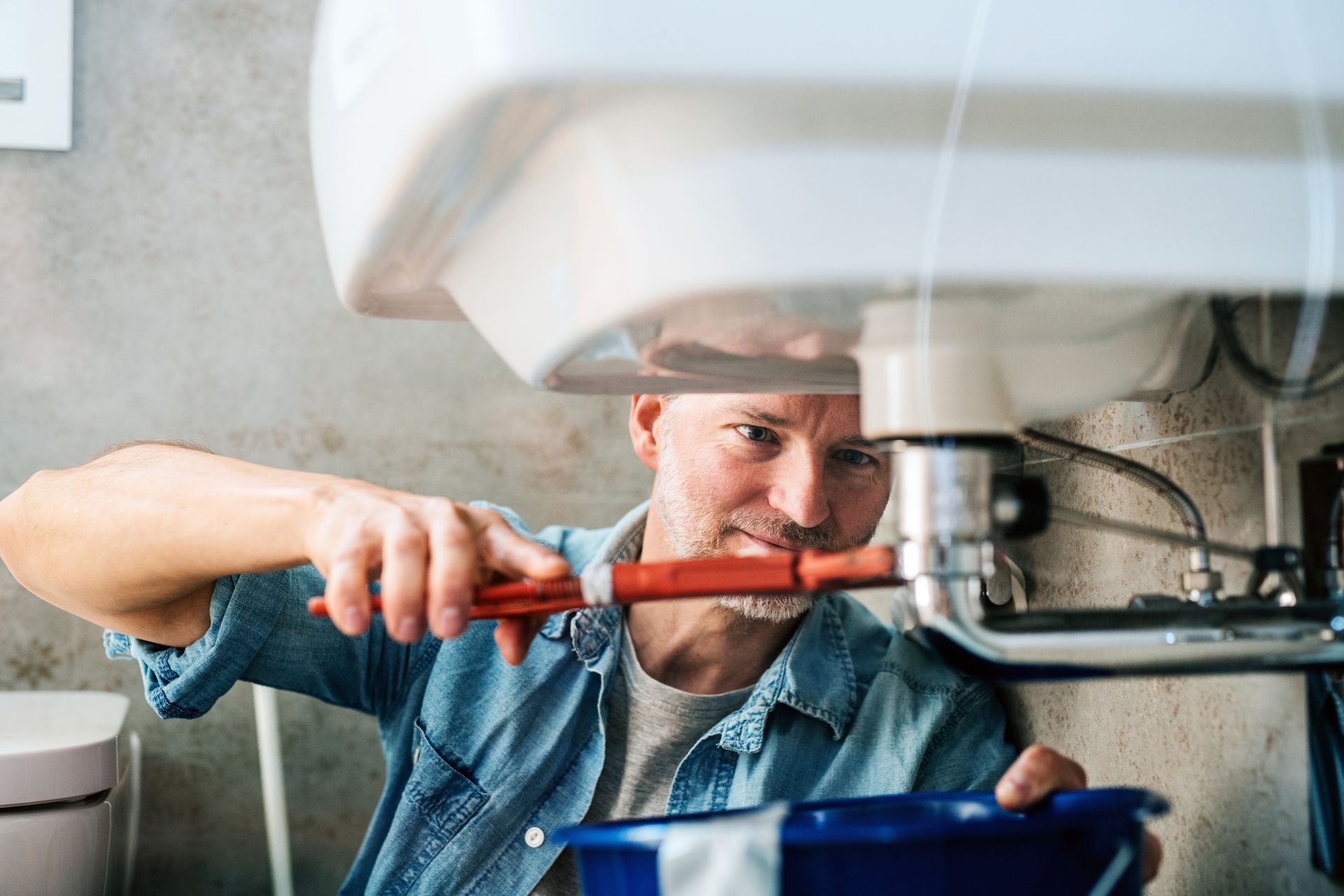
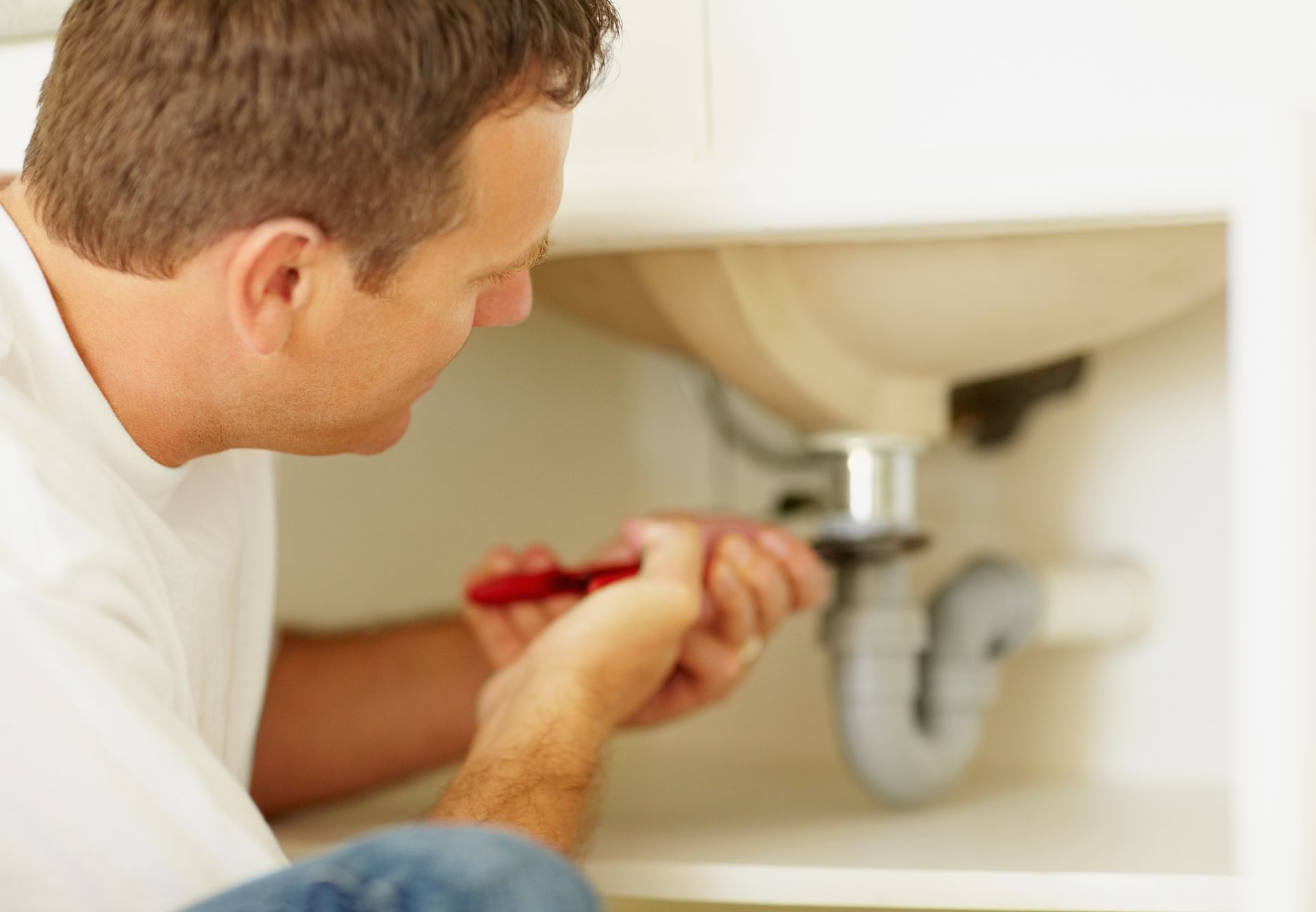
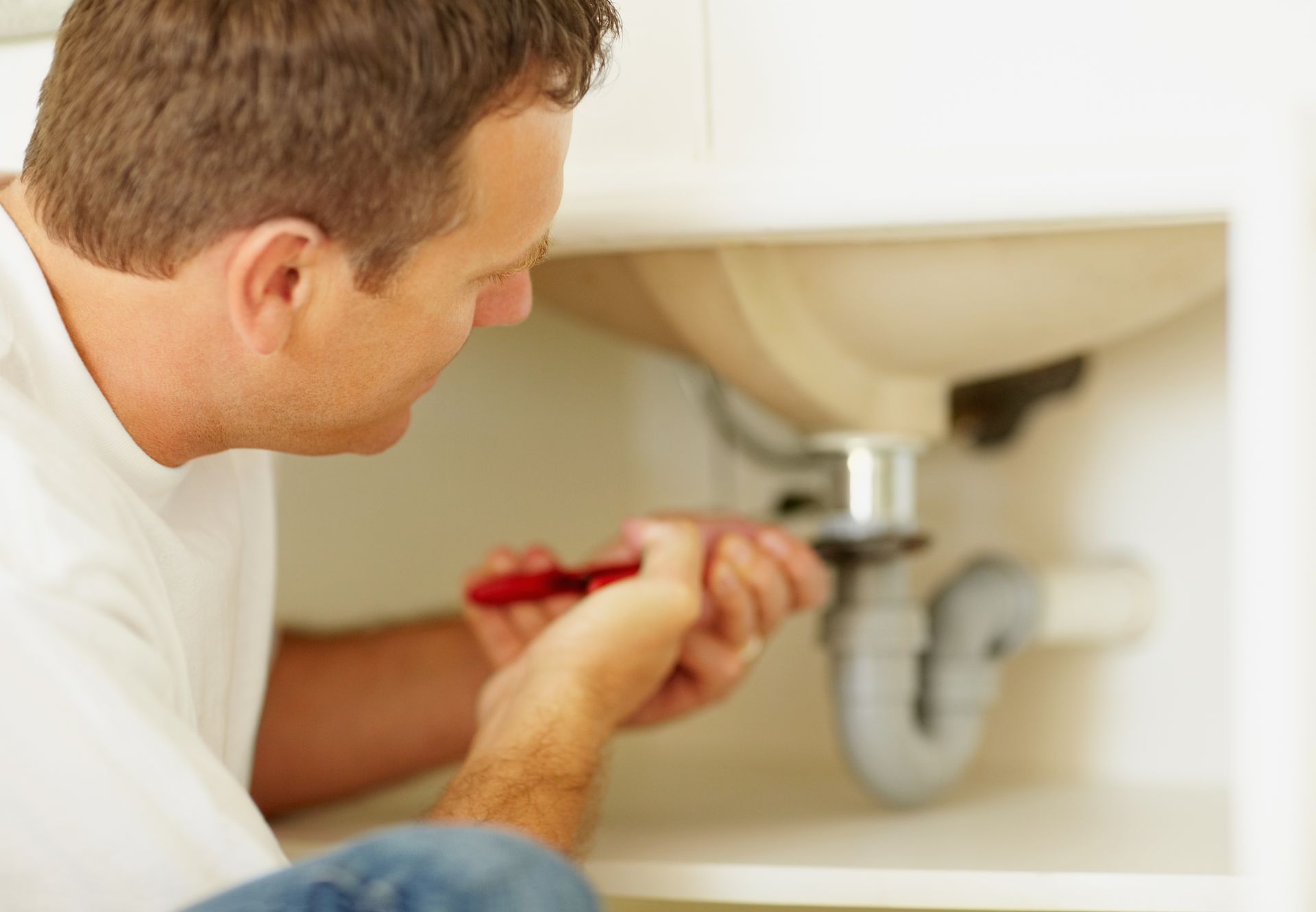
- Leaking Pipe Joints: Check under sinks and along exposed pipes for dripping at connection points. Use a wrench to gently tighten fittings if loose or apply plumber’s tape around the joint as a short-term fix.
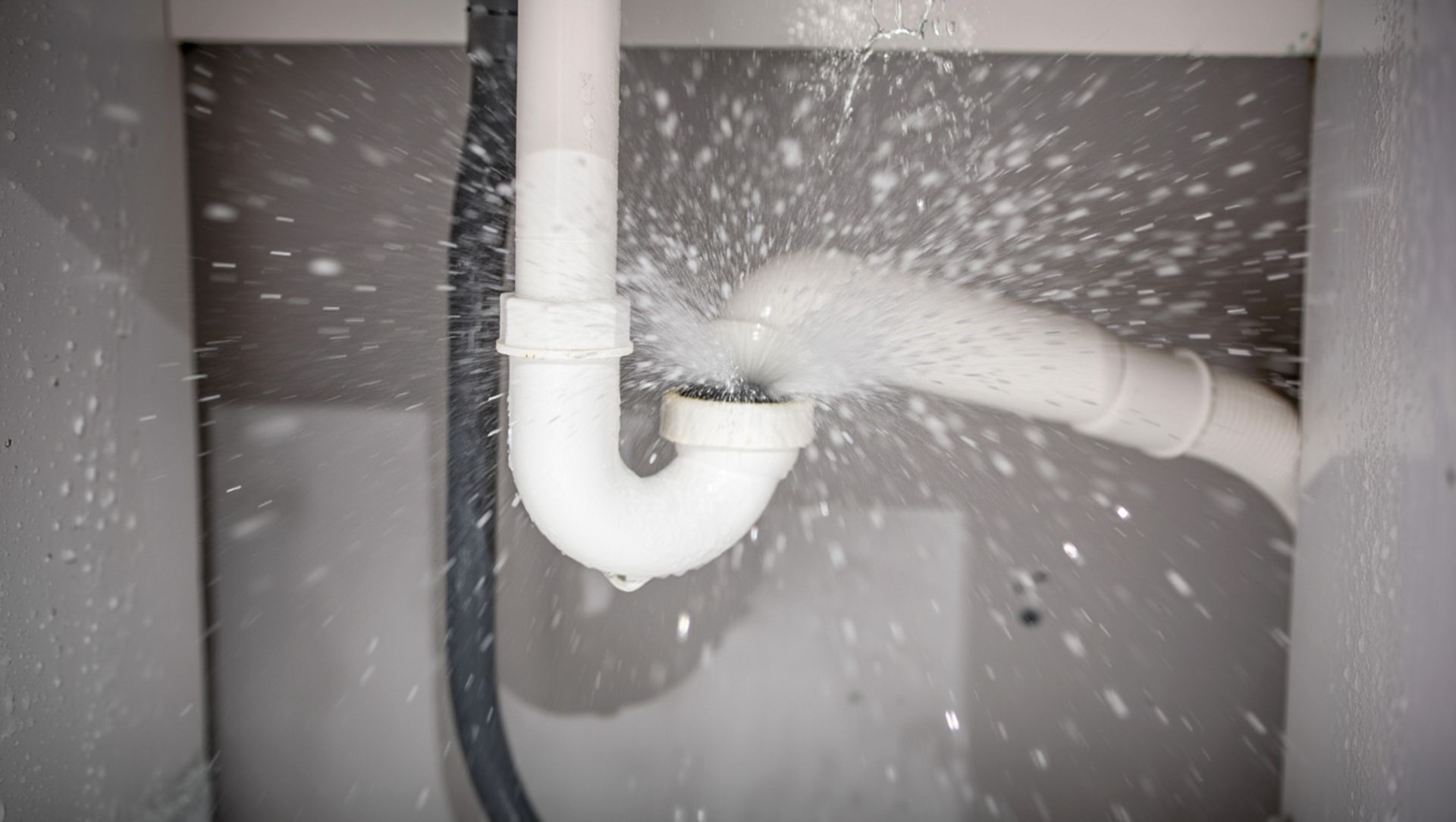
- Small Cracks or Pinholes in Pipes: Look for spraying water or damp spots along pipe surfaces. Dry the area thoroughly and apply epoxy putty or a pipe repair clamp to temporarily seal the crack until a plumber can replace the damaged section.
- Leaking Fixtures (Faucets or Toilets): If water is coming from a fixture, shut off the individual supply valve located beneath the sink or behind the toilet. This can stop the flow without turning off water to the entire house.
- Hidden Wall Leaks: Signs include bubbling paint, warped drywall, or unexplained water stains. Shut off the main water supply immediately and avoid cutting into walls unless necessary.
Insurance Considerations and Proper Documentation After Water Damage
After a plumbing emergency, taking the right steps with your insurance provider can significantly reduce financial stress. Whether the issue involves leaking fixtures or burst pipes, proper documentation is essential for a smoother claims process. Acting quickly and staying organized after a plumbing emergency helps protect your coverage and ensures you receive fair compensation for repairs and damaged belongings.
To strengthen your insurance claim, follow these important steps:
- Document All Damage Immediately: Take clear photos and videos of affected areas, including floors, walls, ceilings, and personal property damaged by burst pipes. Capture both close-up and wide-angle images.
- Prevent Further Damage: Most insurance policies require homeowners to take reasonable steps to limit additional damage. Shut off water, dry affected areas if possible, and keep receipts for cleanup supplies or temporary repairs.
- Keep Repair Estimates and Invoices: Save all paperwork from plumbers and restoration companies. Detailed invoices help justify claim amounts related to the emergency.
- Review Your Policy Coverage: Check whether your homeowner’s insurance covers sudden water damage from burst pipes and understand any exclusions related to neglect or maintenance issues.
- Contact Your Insurance Company Promptly: Report the incident as soon as possible and provide all requested documentation to avoid delays in processing your claim.
A sudden plumbing emergency in Bartow, FL, can’t wait, and neither should you. Our experienced team is ready to respond quickly, minimize damage, and restore your home’s safety and comfort. Don’t let water damage get worse or put your property at risk. Contact us today for immediate, professional assistance you can trust.